Prioritise
Identify the circuits and operating outcomes that matter.
 Size my system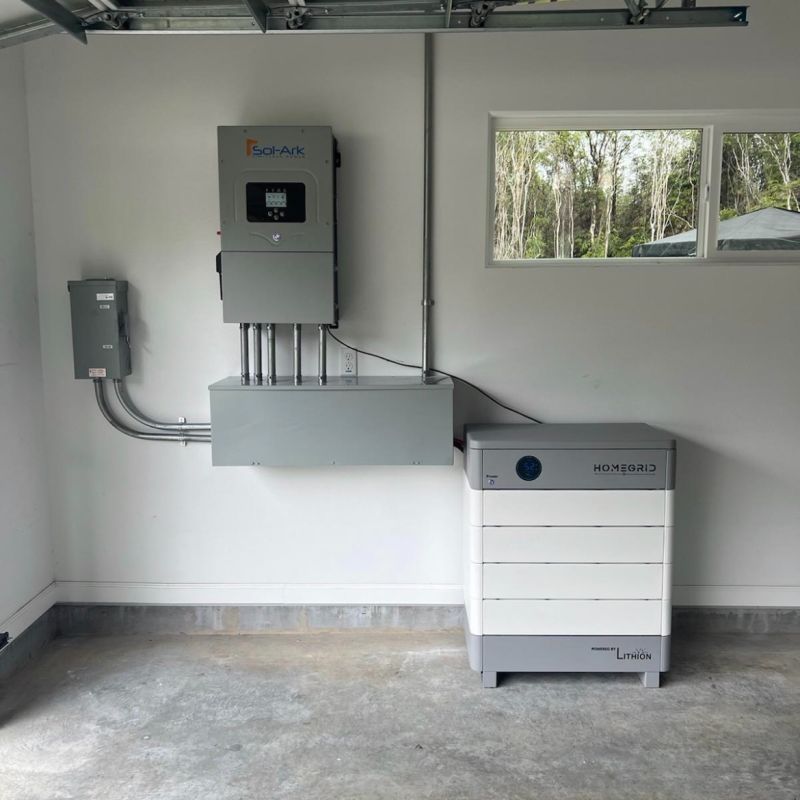
Storage should be designed around the loads that must stay alive, the autonomy you actually need and the way energy will be charged, protected, dispatched and monitored.
Before equipment is selected, 6G turns the physical site and the way power is actually used into an engineering brief. That keeps the design focused on useful energy rather than a generic equipment package.
Which circuits must remain available and which can be shed during backup operation.
How long those loads need to run without normal grid supply.
Solar surplus, grid charging strategy or a hybrid of both.
Priority rules for solar, battery, grid and load behaviour.
The complete energy path, visible at a glance — no scrolling diagram.
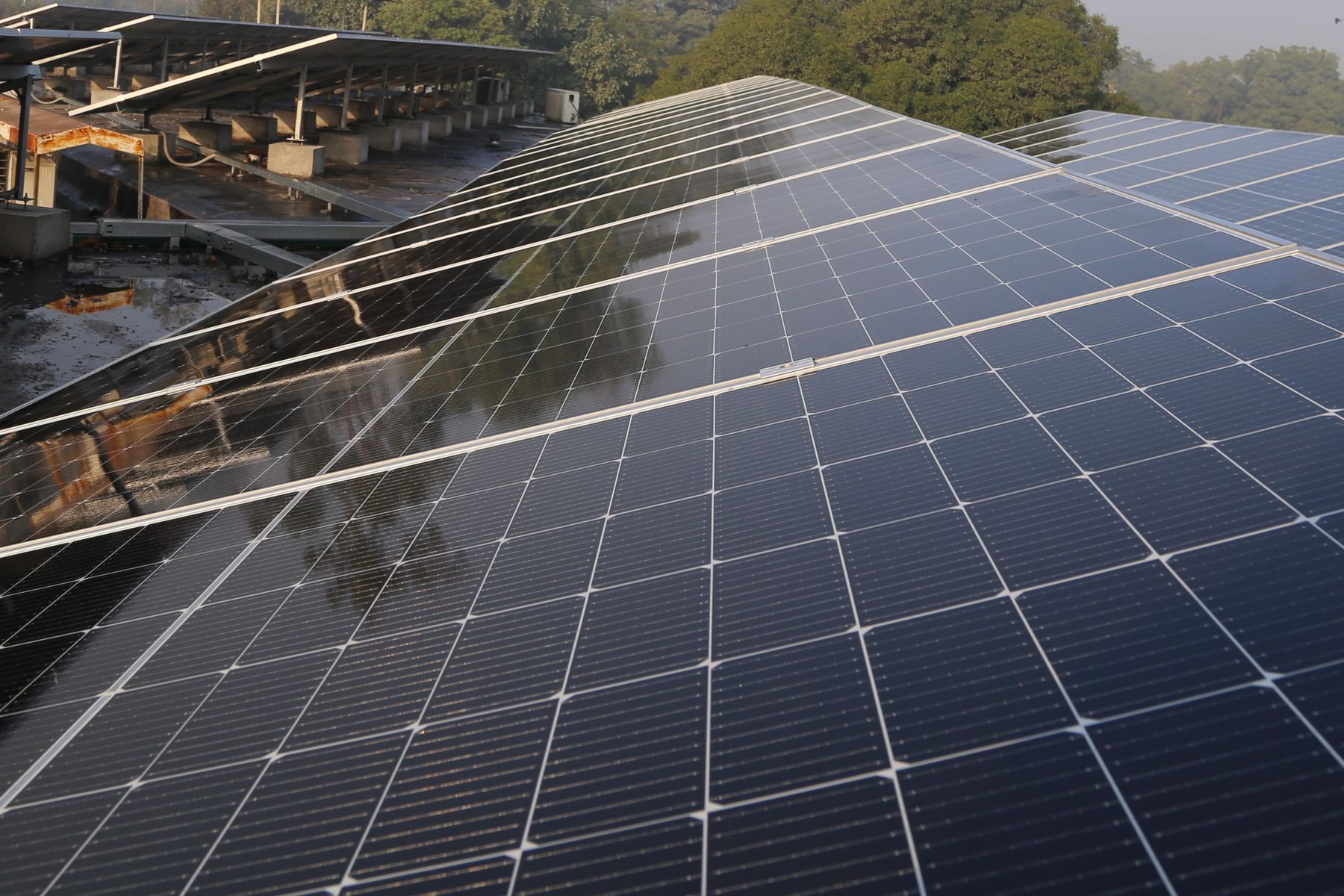
6G connects survey, electrical design, array planning, protection, storage where needed, commissioning and monitoring into one accountable system.
Separate essential circuits from loads that should not consume backup capacity.
Match usable energy and power capability to realistic load and autonomy targets.
Coordinate inverter, battery/BMS, PV and grid behaviour as one operating system.
Plan isolation, protection, cable sizing, ventilation/location and safe maintenance.
Identify the circuits and operating outcomes that matter.
Convert load and autonomy into usable battery and inverter requirements.
Engineer protection, wiring and operating logic with the wider energy system.
Test backup behaviour, charging, discharge and monitoring at handover.